Reps Pledge Funding, Reforms As Plateau Violence Leaves 80,000 Displaced
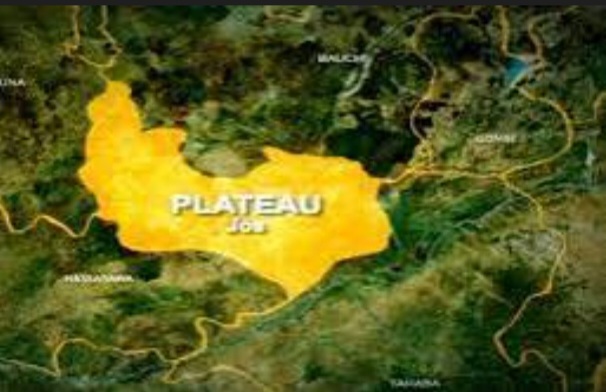
The House of Representatives has sounded a fresh alarm regarding the staggering level of devastation in Plateau State, revealing that years of persistent violence have resulted in the destruction of over 18,000 houses and the displacement of approximately 80,000 people.
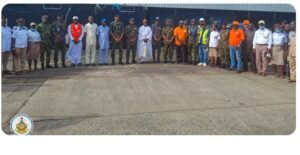
The grim assessment was shared during a high-level dialogue in Jos, where federal and state leaders gathered to confront a security crisis that has plagued the region for over two decades.
Speaker of the House, Rt. Hon. Abbas Tajudeen, represented by Hon. John Dafaan, described the current situation as dire and noted that the state has been caught in a cycle of bloodshed since 2001.
“Recent escalations have only added to the humanitarian toll, with the Speaker highlighting the horrific Christmas Eve attacks across 17 communities that claimed more than 200 lives.
These incidents, occurring between late 2023 and early 2024, have further destabilized areas like Jos North, Barkin Ladi, Riyom, and Jos South. Beyond the loss of life, the violence has wiped out places of worship and vital farmlands, effectively dislocating 400 communities”, reports presented by the Reps committee said.
Tajudeen cautioned against oversimplifying the conflict, pointing instead to a volatile mix of land disputes, economic marginalization, climate pressures, and the influence of criminal elements as the primary drivers of unrest.
“To combat these challenges, the 10th House of Representatives is committing to legislative reforms focused on security, land use, and conflict resolution.
Funding for the reconstruction of destroyed communities and the establishment of trauma centers is expected to be prioritized in the 2026 supplementary and 2027 budgets”, The House of Reps said.
The Speaker emphasized a necessary transition toward proactive security, advocating for enhanced intelligence gathering, community policing, and a firm end to the culture of impunity that has allowed the violence to persist.
Governor Caleb Mutfwang, represented by Deputy Governor Josephine Piyo, detailed the state’s ongoing efforts to restore order, which include the revitalization of “Operation Rainbow” and the deployment of advanced surveillance technology.
While the state government has refurbished over 300 operational vehicles to boost the response capacity of security agencies, the Governor acknowledged that rural communities remain vulnerable.
He maintained that while technology and hardware are essential, non-kinetic approaches like reconciliation and dialogue remain central to the administration’s strategy.
The Chairman of the Ad-hoc Committee, Hon. (Dr.) Wale Hammed, reiterated that military force alone cannot achieve lasting stability, calling for a collaborative peacebuilding effort involving traditional rulers, religious leaders, and the youth.
However, attendees at the conference, titled “Restoring Stability and Unity,” expressed a cautious optimism, urging that the recommendations from the dialogue be met with concrete action rather than the stagnation that followed previous summits.
The current synergy between the Presidency, the National Assembly, and the Plateau State Government is seen by many as a vital opportunity to finally secure a peaceful future for the region, our correspondent reports.
About The Author