Justice Overruled: Court Reinstates UI Students Suspended Over Tuition Protest
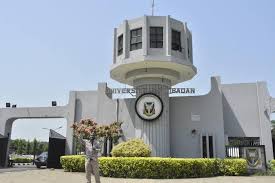
The Federal High Court in Ibadan has delivered a landmark ruling ordering the University of Ibadan to immediately reinstate three students who were suspended following their participation in protests against a significant hike in tuition fees.
Justice Nkeonye Maha, presiding over the case, nullified the decision of the institution’s Central Student Disciplinary Committee, characterizing the disciplinary process as a fundamental violation of the students’ right to a fair hearing.
This judicial intervention underscores the critical intersection between institutional governance and constitutional protections, highlighting the legal boundaries of university administration in managing student dissent within the Nigerian educational sector.
Furthermore, the allegations of inhumane treatment raised during the proceedings suggest a concerning reliance on security forces to manage campus grievances.
Reports cited by the group Corporate Accountability and Public Participation Africa (CAPPA) indicated that the students were allegedly handed over to external security units and profiled as criminals, claims which the university reportedly did not deny in court.
Such incidents highlight the societal risks associated with the militarization of academic spaces and the potential for the suppression of legitimate expression to escalate into broader human rights concerns.
The court’s order for perpetual injunction against further disciplinary action regarding this specific exercise of freedom of expression sets a clear legal precedent.
While the university management had argued that the fee hikes were recommended by the Senate and approved by the Council, the judicial focus remained strictly on the legality of the punitive measures taken against the protesters.
This distinction emphasizes that while university governing bodies hold the authority to set fiscal policy, they must exercise their disciplinary power within the confines of established law.
The implications of this judgment extend beyond the University of Ibadan, serving as a cautionary directive to academic administrators across Nigeria.
It reinforces the necessity for transparent communication and inclusive stakeholder engagement when implementing significant policy shifts, such as fee adjustments.
As the affected students return to their academic pursuits, the focus shifts to how Nigerian universities will balance the urgent need for financial sustainability with the constitutional rights of their primary stakeholders the students.
About The Author