Rising Transport Fares Reshape Work Patterns, Strain Abuja Households
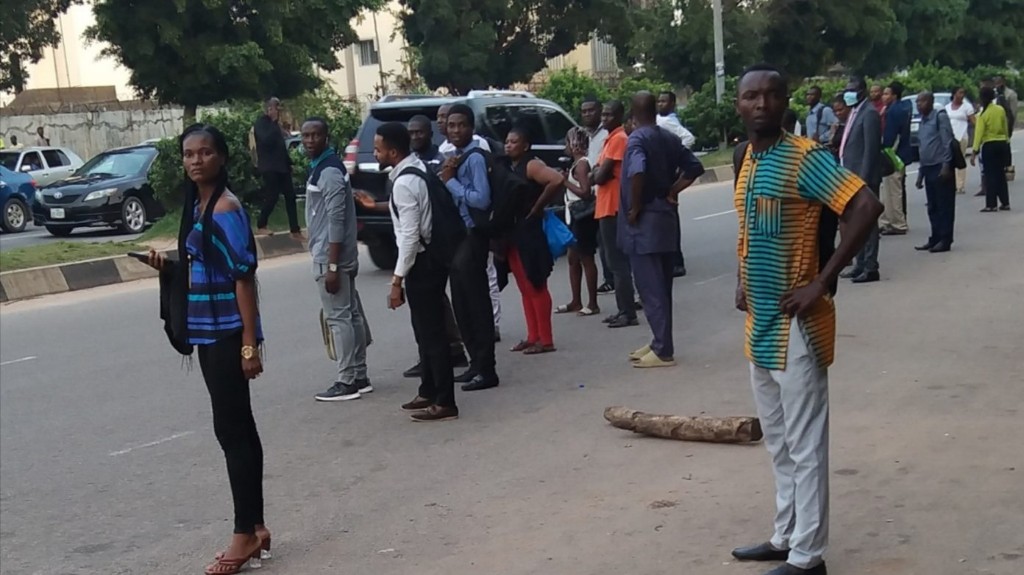
Rising Transport Fares Reshape Work Rising transport fares in the Federal Capital Territory (FCT) are forcing commuters to adjust their work routines while placing increasing pressure on household incomes.
Residents said the surge in fares followed a sharp increase in petrol prices, which now range between N1,335 and N1,400 per litre, up from about N875 to N880.
The hike in fuel prices has been linked to the ongoing tensions between the United States and Iran, with ripple effects across Nigeria’s economy.
Many commuters said the rising cost of transportation is affecting productivity, businesses, and overall family welfare.
Mr Abdul Daniel, a civil servant, said he now pays about N1,700 for his daily commute from Dei-Dei to the Federal Secretariat, compared to N1,000 or N1,200 previously.
He added that he now leaves home earlier to avoid peak fares and maintain punctuality at work, warning that he might reduce the number of days he goes to the office if the situation persists.
Similarly, Ms Ugochi Ugochukwu, a trader, said transport fares from Masalachi Junction in Karu to Finance Bridge had risen from N500 to between N600 and N800, forcing her to cut down on non-essential trips.
Another commuter, Mr Sony Ugwuata, said fares from Masaka to Wuse now range between N1,000 and N1,200 during peak periods, while off-peak fares have increased from N500 to about N700.
Ms Chidimma Chukwu, a resident of Lokogoma, said her daily transport expenses had risen from about N2,200 to N3,200, adding that the increase was significantly affecting her monthly budget.
“The worst part is that salaries are not being increased, yet expenses keep rising,” she said.
A nurse, Mr Kingsley Jato, lamented that fares from Lugbe to Area 10 had increased from N700 to between N1,000 and N1,200, disrupting his savings plans.
“I have been saving to buy a television, but with the current situation, I am not sure I can achieve that goal,” he said.
Mrs Chimerica Onyema said she now plans her movements more carefully and combines trips to reduce transport costs, while some car owners have resorted to carrying passengers to offset fuel expenses.
Mrs Erica Ekah, a civil servant, said she increased the fare she charges passengers from N700 to N1,000 after purchasing fuel at N1,400 per litre.
A trader in Apo Market, Mr Ifeanyi Azubike, said rising transport costs had reduced customer turnout, negatively affecting daily sales and income.
He warned that the cost of goods might soon increase due to higher transportation expenses.
An economic expert, Mr Chimezie Okorobia, called for urgent government intervention to ease the burden on commuters.
He urged authorities at all levels to implement policies and programmes aimed at making transportation more affordable and reducing the economic strain on households.
About The Author