Naira Weakens to N1,495 as Parallel Market Pressure Builds
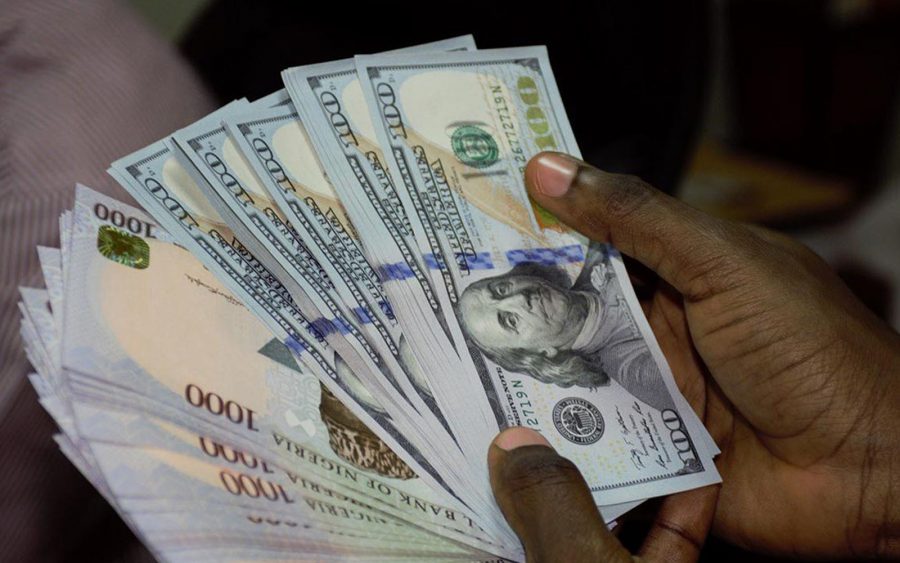
The naira depreciated further in the parallel market on Tuesday, sliding to N1,495 per dollar as demand pressures resurfaced in the informal foreign exchange segment.

Market checks in Lagos and Abuja showed the local currency lost N10 against the dollar, widening the spread between official and street market rates and heightening arbitrage concerns in Nigeria’s evolving post-reform FX framework.
Industry data, obtained yesterday, showed that the gap between the official and parallel market exchange rates widened to N72, underscoring persistent segmentation in the FX market.
In contrast, the naira closed at N1,423 per dollar in the official window on Monday, supported by recent foreign exchange intervention by the Central Bank of Nigeria (CBN). Trading at the official market was relatively stable, with limited volatility reflecting subdued activity.
The CBN sold $50 million to banks on Friday, shoring up liquidity in the official window but leaving the parallel market without support. This asymmetric intervention contributed to the renewed divergence, especially as year-end dollar inflows into the informal market faded.
TrustBanc Financial Group Limited reported that FX inflows declined by two per cent to $2.8 billion in December, the weakest monthly inflow recorded in 2025. To cushion demand pressures, the CBN increased dollar sales at the official market to $654 million, representing about 23 per cent of total FX supply for the month.
However, external inflows remained subdued. Foreign portfolio investment fell 14 per cent to $632 million, well below historical highs, limiting offshore FX support. Corporate inflows also dropped sharply by 30 per cent, although domestic inflows showed some improvement.
Analysts say the combination of weak foreign inflows, selective FX intervention and rising informal market demand continues to exert pressure on the naira,
About The Author