FRSC Reaffirms Commitment to Safe Transition to EVs and CNG Mobility
The Daily Times Nigeria 2 months ago 0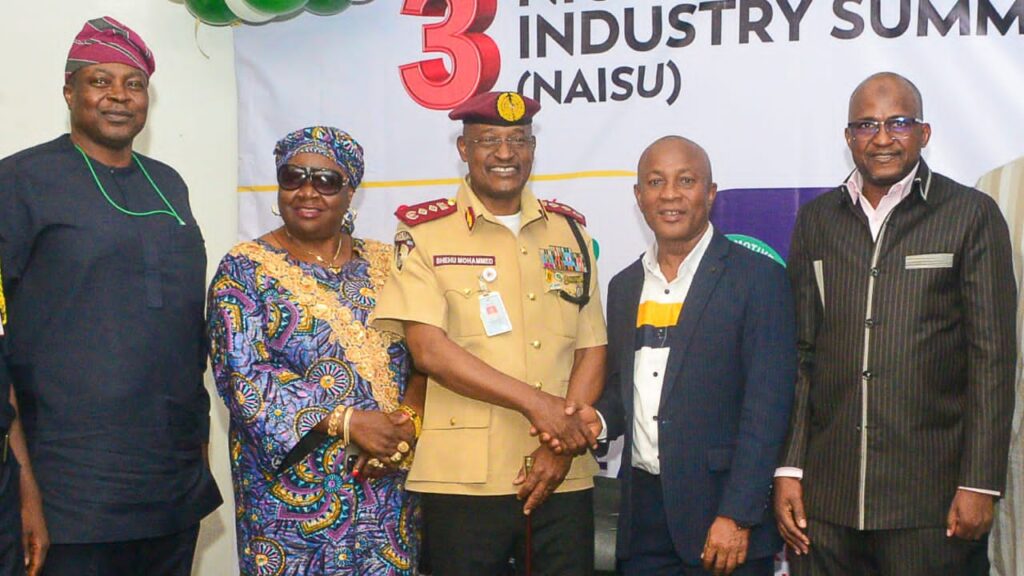
The Federal Road Safety Corps (FRSC) has reaffirmed its commitment to ensuring that Nigeria’s transition to Electric Vehicles (EVs) and Compressed Natural Gas (CNG)-powered transportation is anchored on the highest standards of road safety.
The Corps Marshal, Shehu Mohammed, gave the assurance while speaking at the 3rd Nigeria Auto Industry Summit organised by the Nigeria Auto Journalists Association (NAJA) in Lagos. The summit, themed “Nigeria’s Clean Mobility Future: The EV and CNG Journey Under the Bola Tinubu Administration,” brought together policymakers, regulators, industry leaders and other stakeholders to discuss strategies for advancing the country’s clean mobility agenda.
Earlier, Chairman of the Nigeria Auto Journalists Association (NAJA), Theodore Opara, described the summit as more than an industry conference, saying it represented a strategic platform for shaping the future of Nigeria’s automotive industry.
Opara said countries around the world are rapidly embracing cleaner transportation technologies to reduce carbon emissions, improve energy efficiency and build sustainable economies, stressing that Nigeria cannot afford to be left behind. He noted that the reforms introduced by President Bola Tinubu’s administration have created fresh momentum for the adoption of Compressed Natural Gas (CNG), Electric Vehicles (EVs), local automotive manufacturing and sustainable transportation.
He urged participants to ensure that deliberations at the summit translate into practical recommendations capable of influencing government policy, attracting investment, expanding local production, strengthening automotive value chains and promoting skills development. He also called on journalists covering the automotive sector to remain partners in national development by providing accurate and constructive reporting that supports informed policymaking and investor confidence.
Represented by the Corps Public Education Officer, Assistant Corps Marshal Olusegun Ogungbemide, the Corps Marshal said the adoption of EVs and CNG-powered vehicles presents significant opportunities for Nigeria but must be supported by robust safety regulations, effective enforcement and sustained stakeholder collaboration.
He noted that as alternative fuel vehicles become more common on Nigerian roads, regulatory institutions must evolve to address emerging technologies through specialised training, updated operational guidelines and stronger enforcement mechanisms.
Mohammed disclosed that the FRSC is already positioning itself to support the country’s clean mobility transition by strengthening safety regulations, engaging critical stakeholders and developing operational frameworks specifically tailored to EVs and CNG-powered vehicles.
He stressed that the benefits of cleaner mobility should go beyond reducing carbon emissions to improving road safety, strengthening vehicle standards and building public confidence in emerging transport technologies.
Also speaking at the summit, the Director General of the Standards Organisation of Nigeria (SON), Dr. Ifeanyi Chukwunonso Okeke, represented by the Deputy Director of Research and Statistics, Engr. Olalekan Omoniyi, said Nigeria’s clean mobility transition must be underpinned by strong standards, quality assurance and regulatory compliance to guarantee safety and attract investment.
Presenting a paper titled “The Role of the Standards Organisation of Nigeria in Building a Safe, Sustainable and Investment-Ready Electric Vehicle (EV) and Compressed Natural Gas (CNG) Ecosystem,” Omoniyi said standards are essential for protecting consumers, promoting interoperability, boosting investor confidence and safeguarding the integrity of the emerging EV and CNG industry.
He disclosed that SON has developed more than 80 Nigerian Industrial Standards for CNG road vehicles and related equipment, alongside 87 standards and the National Nigerian Guideline (NNG 1214:2024) governing CNG vehicle conversion, while similar standards are being developed for electric vehicles, charging infrastructure, traction batteries, charging connectors and battery-swapping systems.
According to him, the organisation is implementing several conformity assessment programmes, including SONCAP, MANCAP and the Vehicle Conformity Assessment Scheme and Programme (VehCAS/VehCAP), being developed jointly with the National Automotive Design and Development Council (NADDC) and the National Environmental Standards and Regulations Enforcement Agency (NESREA), to ensure imported and locally assembled vehicles comply with safety, environmental and technical requirements.
He warned against the proliferation of uncertified CNG conversion centres and substandard automotive products, stressing that mandatory certification, stronger enforcement, investment in testing facilities, public awareness and enhanced collaboration among regulators are critical to building a safe, sustainable and globally competitive clean mobility ecosystem.
The Corps Marshal further emphasised that achieving a safe and sustainable transition requires the collective efforts of road users, transport operators, vehicle manufacturers, conversion centres, regulators and other stakeholders across the automotive value chain.
He reiterated the FRSC’s readiness to continue working with government agencies, industry players, standards regulators and development partners to ensure Nigeria’s transition to cleaner transportation delivers lasting safety, environmental and economic benefits for all citizens.