Indigenous Oil Firms Key to Nigeria’s Oil Production Growth, Energia Says

Indigenous oil and gas companies could play a more significant role in boosting Nigeria’s crude oil production, developing energy infrastructure and strengthening the competitiveness of the upstream petroleum sector, Energia Limited has said.
The company made this position ahead of its 25th anniversary industry symposium scheduled for Wednesday, October 21, at Eko Hotel & Suites, Lagos, where industry stakeholders are expected to examine the contribution of indigenous operators to Nigeria’s upstream oil and gas industry.
The symposium, organised as part of activities marking Energia’s silver jubilee, is themed “Shaping Tomorrow’s Energy: The Indigenous Operator’s Role in Nigeria’s Upstream Future.”
The engagement comes amid the continuing need to strengthen domestic production capacity, attract investment into oil and gas assets, expand infrastructure and improve the ability of Nigerian companies to develop and manage petroleum resources.
For an economy that relies heavily on crude oil earnings for foreign exchange and government revenue, the performance of indigenous exploration and production companies has implications for national output, employment, local investment and the development of domestic technical expertise.

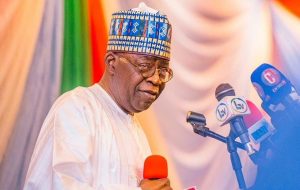
Energia’s Managing Director and Chief Executive Officer, Oladimeji Bashorun, will deliver the keynote address at the symposium, drawing on the company’s experience in field development, production growth, infrastructure investment and operational capacity.
According to the company, its production history includes reaching one million barrels of cumulative crude oil production in 2012, five million barrels in 2016 and 10 million barrels in 2020.
The milestones reflect its progress in developing oil fields and investing in production infrastructure, crude evacuation and gas processing, areas considered critical to improving the operational capacity of indigenous operators.
Founded in 2001, Energia achieved first oil in 2009 and has since developed its operations within Nigeria’s upstream petroleum industry.
Bashorun said the future of the sector would depend partly on the ability of indigenous operators to combine local knowledge, technical expertise and strategic partnerships to deliver sustainable production growth.
“The future of Nigeria’s upstream sector will depend, in part, on the ability of indigenous operators to translate local knowledge, technical expertise and strategic partnerships into sustainable production growth,” he said.
He added that Energia’s experience had reinforced the importance of disciplined field development, infrastructure investment and the continuous strengthening of operational capabilities.
As the company marks 25 years of operations, Bashorun said it remained committed to contributing to the growth and competitiveness of Nigeria’s energy industry.
Beyond the anniversary celebration, the planned symposium is expected to draw attention to the economic opportunities and operational challenges confronting indigenous companies seeking to expand their participation in the upstream value chain.
One of the industry’s key priorities is increasing production sustainably. Higher output, where supported by commercially viable investment and efficient operations, could strengthen crude oil export earnings, improve government revenue and increase the availability of feedstock for domestic refining and associated industries.
However, translating the potential of indigenous operators into higher national production requires more than local ownership of oil assets. Access to long-term financing, modern technology, reliable evacuation infrastructure, security, regulatory certainty and commercially attractive fiscal arrangements remain important considerations for companies investing in exploration, field development and production.
Infrastructure is particularly important because production growth can be constrained when operators cannot evacuate crude efficiently or adequately process associated gas. Investment in pipelines, storage facilities, gas processing and other supporting infrastructure can therefore influence both the volume of petroleum produced and the economic value retained within the country.
The development of local technical expertise also has wider implications for the economy. Greater indigenous participation can create opportunities for Nigerian engineers, service companies, contractors and technology providers, while supporting the development of domestic expertise across the petroleum value chain.
Nevertheless, the overall economic benefits depend on the scale of investment, the sustainability of production, the competitiveness of operating costs and the extent to which local companies can maintain internationally acceptable operational and environmental standards.
Energia said its anniversary theme, “Honouring Energia’s Legacy. Shaping Tomorrow’s Energy,” reflects both its operational history and its focus on the capabilities, partnerships and opportunities required for its next phase of growth.
The company’s industry showcase will also examine the technical and operational capabilities needed to strengthen indigenous participation, alongside the contribution local operators can make to reserves development, infrastructure expansion and the long-term competitiveness of Nigeria’s upstream industry.
The event precedes the 44th Annual International Conference and Exhibition of the Nigerian Association of Petroleum Explorationists (NAPE), scheduled for November 8 to 12, 2026, in Lagos.
The wider industry discussions are expected to focus on reserves growth, technological adaptation, local capacity development and the future direction of Nigeria’s upstream petroleum sector.
For Nigeria, the central economic question is how to translate the growing experience of indigenous operators into sustained investment, commercially viable production and greater domestic value creation.
Energia’s 25-year journey provides one example of the development of local operating capacity. The broader challenge for the industry, however, is ensuring that such experience contributes to measurable improvements in national production, investment, employment and the long-term resilience of the economy.
About The Author