From N3,500 to N10,000: Abuja Hairdressers Explain Rising Charges
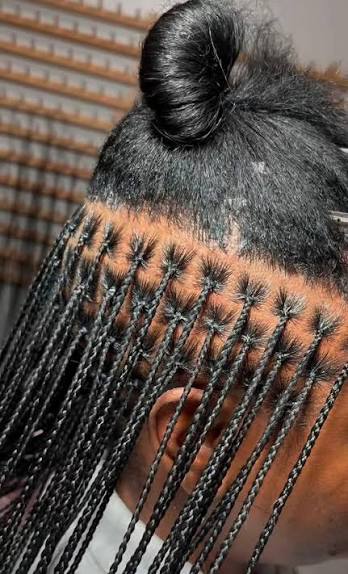
Hairdressers in Federal Housing Estate, Lugbe, Abuja, have attributed the rising cost of hairdressing services to increasing prices of hair extensions, attachments, hair products and other beauty materials. The stylists also cited rising operating expenses, labour costs, staff remuneration and the quality of materials used as factors influencing their charges.
They spoke in separate interviews with the News Agency of Nigeria (NAN) on Tuesday in Abuja. Mrs Esther Dawn, a stylist and operator of G-Esther Luxury in Peace Village, said the increase in charges was necessary as the cost of materials and other salon products continued to rise.
Dawn explained that maintaining previous prices despite rising expenses could erode profit margins, especially as salon owners also had to meet rent, electricity, staff and other operational costs. She said the cost of materials varied depending on the location of the salon and the quality of products used.
According to her, salon owners might struggle to remain profitable if service charges were not adjusted to reflect changes in operating costs. On the reuse of hair extensions, Dawn said she did not reuse extensions that had previously been used by another customer, although she acknowledged that individual customers might have different preferences.

Similarly, Ms Mabel Ugila, another stylist, said the rising cost of hair products, attachments and other materials had made it necessary for salons to review their charges. Ugila said the time, skill and effort required to create different hairstyles also influenced the amount charged.
She said braiding currently cost between N8,000 and N10,000 or more, depending on the style, size and level of complexity. She added that weaving services started from about N1,500, with the final cost determined by the type of service required.
“There is a constant change in the price of goods, weaves and attachments,” she said. Ugila noted that some hairstyles required more time, materials and technical skill, making them more expensive than simpler styles.
Another stylist, Mrs Rosemary Akabudike, said the quality of hair extensions and other materials used was a major determinant of the cost of services. She explained that customers who chose higher-quality extensions generally paid more, while the size and style of the hair also affected the final bill.
Akabudike identified staff remuneration as another significant factor, saying salon owners had to factor wages and other business expenses into their charges. She said previously used hair extensions could only be reused when customers brought the extensions themselves.
Recalling previous prices, Akabudike said that about three years ago, she charged N1,000 for washing and setting, while braiding cost between N3,500 and N5,000. She added that weaving cost between N1,500 and N2,000, depending on the size, while smaller styles could cost about N1,000 or less.
NAN reports that the prices quoted by the stylists indicate a significant increase compared with charges at some salons about three years ago. The stylists, however, said the increases were not driven by labour costs alone, but also by higher prices of extensions, attachments, hair products and other materials.
They added that the time, skill and complexity involved in creating particular hairstyles were also important factors in determining charges. The stylists said they would continue to review their prices when necessary to reflect changes in the cost of materials and other business expenses.
They advised customers seeking to reduce their hairdressing expenses to consider hairstyles, sizes and extensions that fit within their budgets. (NAN)
About The Author