US and Nigeria Crush ISIS Network with Elimination of Global Deputy Leader
A joint counter-terrorism operation by United States forces and the Armed Forces of Nigeria has successfully eliminated Abu Bilal al-Minuki, the global second-in-command of ISIS.
The precision operation marks a significant escalation in military cooperation between the two nations as they intensify efforts to disrupt violent extremist networks across West Africa and the Sahel region.
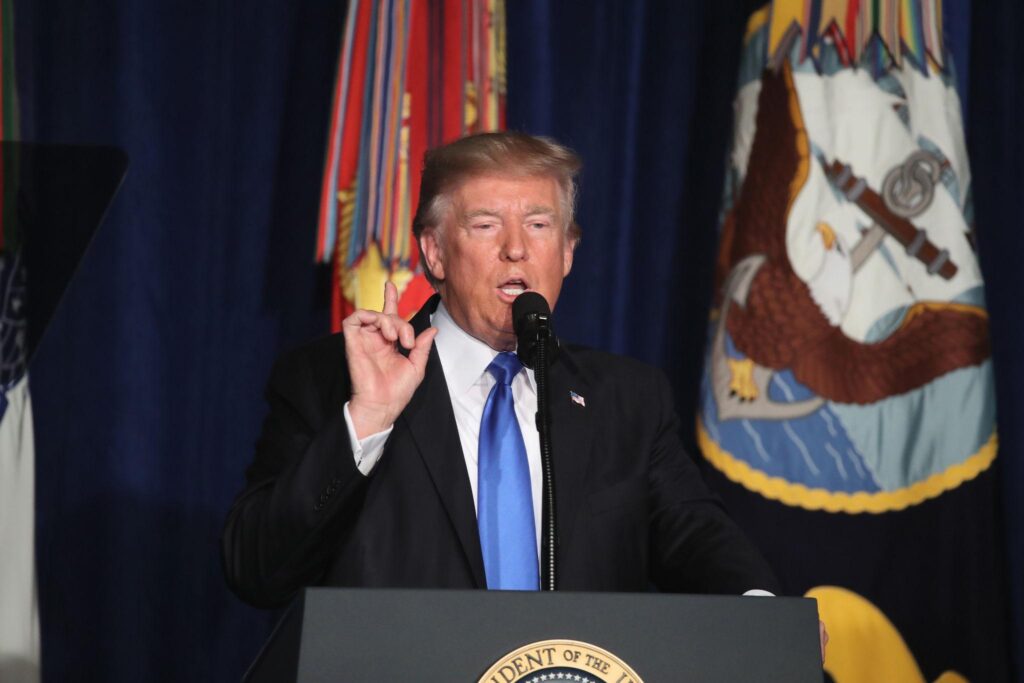
US President Donald Trump announced the successful mission, describing it as a meticulously planned and highly complex operation executed at his direction.
Trump revealed that al-Minuki had been operating from Africa under the assumption that he could remain hidden, but intelligence tracking kept security forces informed of his movements.

The US President expressed gratitude to the Nigerian government for its vital partnership, noting that the removal of the high-ranking leader greatly diminishes the global operational capabilities of ISIS.
President Bola Ahmed Tinubu also affirmed the success of the strike, praising the bravery and coordination of the combined forces.
Providing further details on the operation, the Nigerian Defence Headquarters released a statement signed by the Director of Defence Information, Major General Samaila Uba.
The military confirmed that the precision strike was the direct outcome of a recently strengthened US-Nigeria intelligence-sharing initiative.
According to Nigerian authorities, al-Minuki was a critical operational and strategic figure within the global hierarchy of the terrorist group.
He was responsible for directing media operations, economic warfare, and overseeing the development and manufacturing of weapons, explosives, and drones for ISIS affiliates outside Nigeria.
The deceased terrorist operative, a Nigerian national who had previously been designated a Specially Designated Global Terrorist by the United States government in 2023, was believed to have been promoted to the head of the General Directorate of States earlier this year.
Prior to that role, he served as the Emir of the Nigeria-based al-Furqan office, directing operations across the Lake Chad Basin and the wider Sahel. Security analysts and military officials indicate that his elimination removes a crucial node through which the group coordinated regional and international operations, marking a major breakthrough for security in the region.
About The Author