Ebola Outbreak: Women, Girls Bear Brunt of DRC Crisis – UN Women
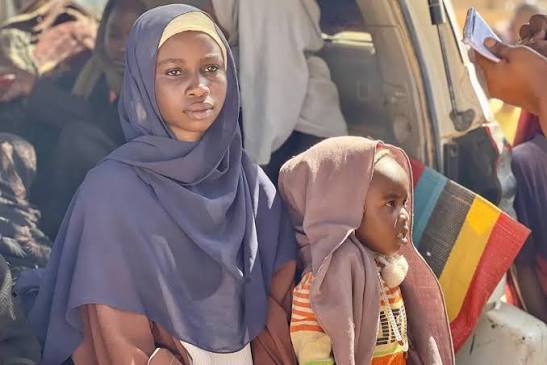
The Ebola outbreak in the Democratic Republic of the Congo (DRC) is taking a disproportionate toll on women and girls, with many exposed to the virus while caring for sick relatives and patients, UN Women has said.
The UN agency said women and girls were playing a critical role in caring for Ebola patients both in healthcare facilities and within their communities, despite the heightened risk of infection.
According to official data cited by UN Women, women account for more than 54 per cent of confirmed Ebola cases in the DRC, while girls represent 51 per cent of cases among those aged 10 to 17.

The situation is particularly evident in Bunia, the reported epicentre of the outbreak. Dr Setcheme Mongbo, UN Women Representative in the DRC, disclosed this on Friday after a recent visit to the city.
Mongbo said women were not only present in healthcare facilities as caregivers but were also providing care in homes and communities, where they fed and supplied water to sick relatives and, in some cases, participated in washing corpses and funeral activities.
“Women are not only present in health facilities as attendants, but also in communities and homes where they care for the sick, provide them with food and water, and even participate in washing corpses as well as funeral activities,” she said.
Speaking to journalists in Geneva from Kinshasa, Mongbo said the unequal distribution of caregiving responsibilities at home was contributing to the spread of Ebola and placing women and girls at greater risk.
She said women and girls often cared for children, siblings and other relatives without adequate protective equipment, even when the patients were seriously ill.
The impact, she added, also extended to children who depended on women for care and support. “When women get sick, dependent children are directly affected,” Mongbo said.
The UN Women representative also raised concerns about deaths occurring within communities that might not be reflected in official Ebola statistics. She recounted reports of women who became ill and died at home after seeking help, but allegedly received no response.
“I heard stories of women who fell ill and died in their homes after some of them made statements calling for help but got no response,” she said. Mongbo cited one reported incident in which four women allegedly died at home within a single day without being officially recorded.
She said it remained unclear whether the deaths were subsequently included in the official figures. According to the latest data she cited, two-thirds of deaths recorded within a 24-hour period occurred in communities rather than medical facilities.
Mongbo warned that the situation could increase the risk of cases and deaths being improperly managed and could also result in some infections and fatalities being excluded from official outbreak statistics.
She called for greater attention to the role of women and girls in the Ebola response, particularly by ensuring that caregivers have access to adequate protection and support.
About The Author