Nigeria’s Air Cargo Drive Takes Flight to Boost Agricultural Exports
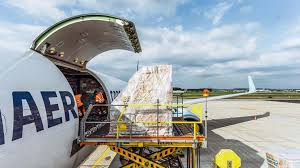
Nigeria is making a decisive push to transform its aviation sector with the creation of a dedicated Cargo Development Directorate within the Federal Airports Authority of Nigeria (FAAN), aiming to revolutionise the country’s air freight ecosystem and position it as a key player in the global market.
The Directorate, under the leadership of Mr Lekan Thomas, is addressing long-standing logistical bottlenecks and inadequate cold storage infrastructure that have hindered agricultural exports.
Its mandate includes developing specialised cargo facilities, streamlining regulations, and promoting private-sector investment in temperature-controlled storage, with a view to reducing delays and improving operational efficiency.
A Domestic Cargo Facility has already been activated at the General Aviation Terminal in Lagos, with a similar project planned for Abuja.
The facilities are expected to enhance handling of perishable goods such as chilli peppers, okra, mangoes, and leafy vegetables, minimising post-harvest losses and improving access to international markets.
The Directorate is pursuing a collaborative approach that brings together stakeholders across the value chain, from farmers and rural cooperatives to freight forwarders, financial institutions, and the Nigeria Customs Service.
By dismantling operational silos, the initiative seeks to create a more integrated, business-friendly air cargo ecosystem capable of stimulating economic growth.
FAAN Managing Director, Mrs Olubunmi Kuku, described the initiative as a transformative step for Nigeria’s aviation sector: “We are committed to transforming Nigeria’s air cargo sector into a major driver of economic growth.”
She emphasised that strengthening logistics infrastructure and operational efficiency is key to realising the sector’s potential. The benefits of a robust air cargo network could be substantial. Nigeria’s agricultural sector employs over 70 per cent of the workforce and contributes significantly to national revenue.
Efficient cargo handling could link rural producers to global markets, increase export earnings, and accelerate economic diversification.
Challenges remain, including bureaucratic bottlenecks, poor infrastructure in some regions, and limited access to finance. The Directorate’s success will depend on sustained stakeholder engagement, policy consistency, and investment in modern cargo infrastructure.
With Nigeria’s government targeting ambitious agricultural production and export goals, the FAAN Cargo Directorate is poised to play a critical role. If effectively implemented, the initiative could transform the nation’s air cargo landscape, turning logistical reform into a key driver of economic growth.
About The Author