Telecom Giants Pivot to Data as Subscriber Growth Hits Plateau
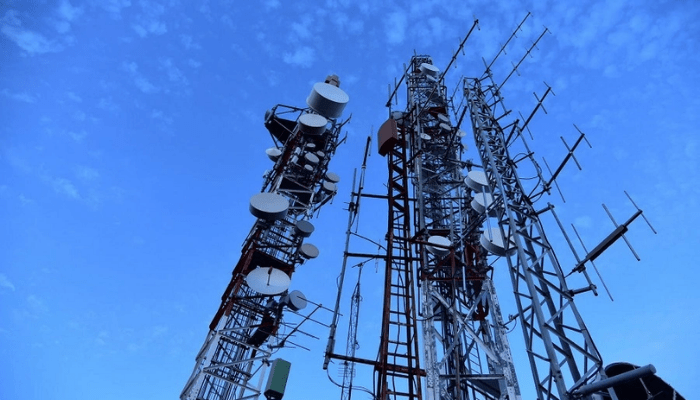
The Nigerian telecommunications landscape is undergoing a fundamental transformation as the era of rapid subscriber acquisition reaches a plateau, forcing major operators to pivot their focus toward data consumption and digital services. Following years of double-digit growth in active mobile subscriptions, recent data indicates a leveling off, with the market reaching a maturity stage where nearly every viable consumer is already connected. This saturation, coupled with the mandatory linkage of National Identification Numbers to SIM cards, has purged millions of inactive lines, prompting industry giants like MTN Nigeria and Airtel Africa to aggressively pursue value over volume by deepening internet penetration and expanding 5G infrastructure.
This strategic realignment is driven by the shifting consumption habits of the Nigerian middle class and a burgeoning youth population that increasingly prioritizes digital connectivity for commerce, education, and entertainment. Revenue from data services has consistently outpaced voice revenue growth, now accounting for a substantial portion of the sector’s total earnings. To sustain this momentum, operators are investing heavily in the last mile of fiber-optic connectivity and high-speed wireless networks, aiming to capture the rising demand for bandwidth-intensive applications such as video streaming, remote work, and fintech services. This transition is essential for the sector to remain a primary driver of the national GDP, especially as traditional voice margins continue to shrink under the weight of rising operational costs and inflationary pressures.
The economic implications of this data-centric shift are significant for Nigeria’s broader digital economy and its $1 trillion GDP target. Increased data availability and affordability are prerequisites for the growth of the startup ecosystem, particularly in Lagos and other emerging tech hubs. However, the sector faces considerable headwinds, including the high cost of energy for powering base stations and the impact of Naira volatility on the procurement of imported network equipment. Telecommunications companies have noted that while demand for data is skyrocketing, the cost per megabyte remains under pressure, necessitating improved operational efficiencies and potential tariff adjustments to maintain the capital expenditure required for 5G expansion and rural connectivity.
Historically, the Nigerian telecom success story was built on the voice revolution of the early 2000s, which bridged the communication gap for millions. Today, the focus has shifted to bridging the digital divide by bringing high-speed internet to underserved areas. The government’s National Broadband Plan aims for 70 percent penetration by 2027, a goal that relies heavily on the private sector’s ability to monetize data effectively. As operators move away from chasing sheer subscriber numbers, the competition has shifted toward ecosystem dominance, where telecommunications firms evolve into “tech-cos,” offering mobile money, cloud computing, and digital advertising to lock in users and diversify their revenue streams.
Looking ahead, the sustainability of this data-led growth will depend on the regulatory environment and the ability of consumers to maintain purchasing power in a high-inflation economy. Analysts suggest that the next frontier for the industry lies in the integration of Artificial Intelligence and the Internet of Things, which will further drive data demand across the manufacturing and agricultural sectors. For now, the dash for data remains the defining strategy for Nigeria’s telecom giants as they navigate a mature market and seek to future-proof their business models against a rapidly evolving technological landscape.
About The Author